
? Can you use fire pit glass in a wood fire pit for added aesthetics, and if so, how do you do it safely?
Short answer
You can use fire pit glass in a wood-burning fire pit under certain conditions, but it’s not as simple or as risk-free as using it in a gas fire pit. If you choose the right type of glass, install it properly, and follow safety precautions, you can get the shimmering, reflective look you want without creating hazards. However, many common types of decorative glass are unsafe for direct contact with wood flames, and soot and heat can dull the look of glass over time.
What is fire pit glass?
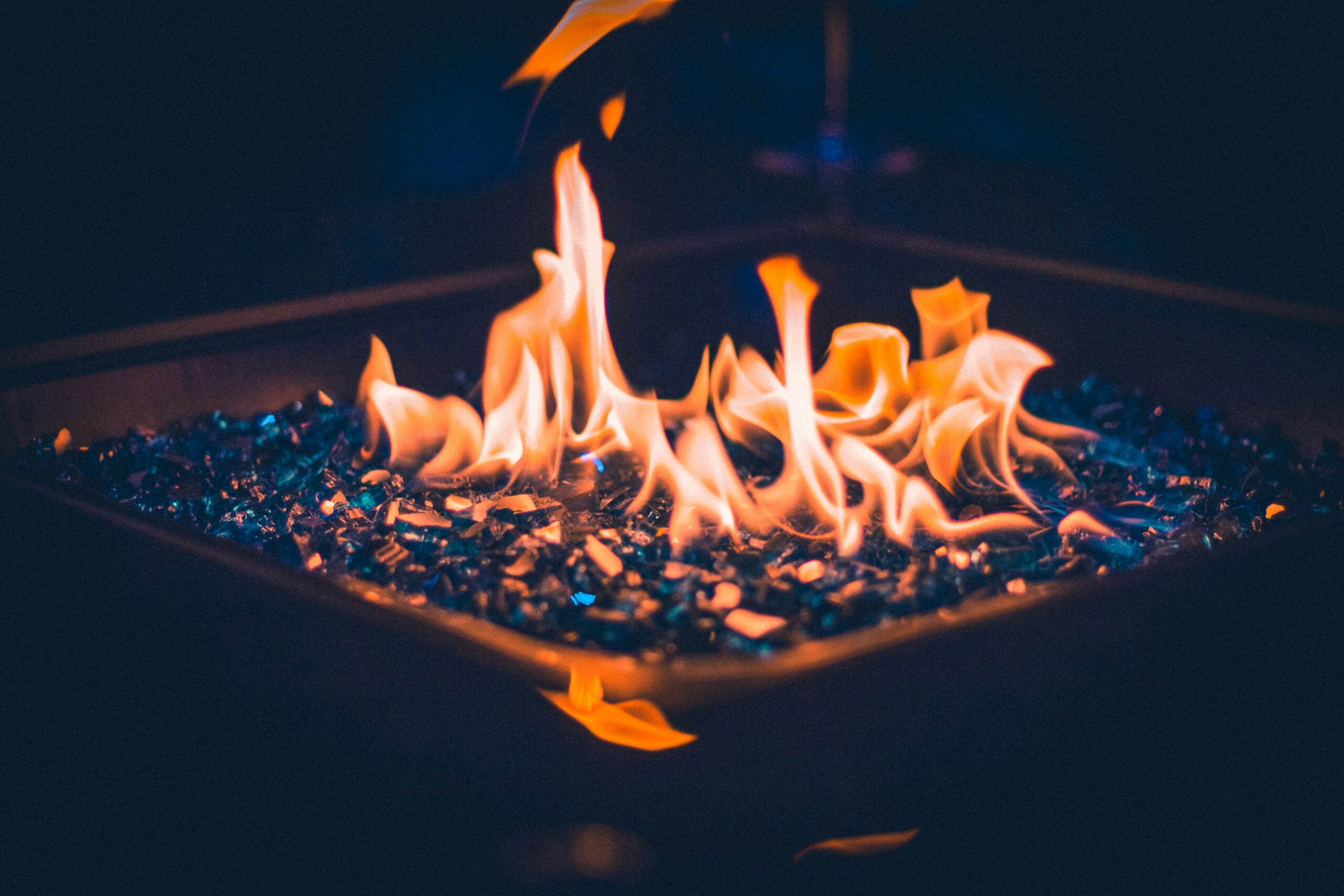
Fire pit glass (often called fire glass or fire beads) is manufactured glass that’s been tempered and tumbled into small pieces for use around flames. It’s commonly used in gas burners because it’s designed to withstand consistent heat and to reflect flame color. Fire glass is sold in different shapes, sizes, and colors, and is usually advertised for fireplace and fire pit decoration.
You should understand that not all glass labeled for “fire pits” is the same, and not all of it is suitable for wood-burning environments. The manufacturing process, tempering, and intended use matter a great deal.
Tempered vs non-tempered glass
- Tempered (heat-treated) glass: heated and rapidly cooled to improve strength and thermal resistance. It is less likely to crack under high temperatures or thermal shock. Fire glass intended for heat use is usually tempered.
- Non-tempered glass (recycled bottle glass, mirror shards, window panes): often has internal stresses and was never treated for high heat. It can crack, pop, or shatter when exposed to flame or rapid temperature changes.
You should only use tempered fire glass that’s specifically rated for high-heat exposure if you plan to put glass anywhere near direct flames.
Common fire glass types and alternatives
- Tumbled tempered fire glass: smooth edges, good thermal resistance, available in many colors.
- Reflective fire glass (with heat-resistant coating): adds sparkle but coatings can degrade under heavy soot or high temperatures.
- Cracked glass (wire-cut style): textured and reflective, but may trap soot and require more cleaning.
- Recycled bottle glass or sea glass: attractive but often not heat-rated and risky for direct flames.
- Lava rock / pumice: natural volcanic rock designed to handle direct wood-fire heat and retain heat well.
- Ceramic logs and firebrick: manufactured for direct contact with wood flames.
Can you use fire glass in a wood fire pit?
Yes—with qualifications. Fire glass was primarily designed for gas fire pits where flames are lower and more consistent. Wood fires generate higher peak temperatures, rapid temperature swings, ashes, soot, and flying embers. Those conditions can cause problems for glass that isn’t purposely manufactured for direct wood-fire contact.
If you want glass in a wood pit, consider these approaches:
- Use tempered, high-temperature-rated fire glass and keep it out of the direct fuel/ember bed (around the perimeter rather than under logs).
- Use glass as decorative edging or in a raised bowl or pan within the pit so wood burns are separate.
- Combine glass with lava rock or firebrick, placing the lava rock in the direct flame area and glass in peripheral areas.
If you put ordinary or non-rated glass directly under wood logs or in a position where it will be buried in hot coals, you risk breakage, clouding, and a dangerous scattering of shards.
Why people want to use fire glass in wood pits
- Reflected glow: glass catches and reflects flame light, creating a jewel-like effect at night.
- Cleaner look: compared with rocky or sooty interiors, glass provides a polished, modern aesthetic.
- Color variety: you can choose from a wide palette (clear, blue, red, black, etc.) to fit your design.
These benefits are attractive, but you should balance them against longevity and safety concerns.
Safety concerns and risks
You need to be aware of several hazards before using glass in a wood-burning fire pit:
- Thermal shock and breakage: Rapid changes in temperature (adding wood to a hot pit, sudden high flames) can crack glass that isn’t properly tempered.
- Soot and coating degradation: Wood smoke contains tars and soot that will quickly coat glass, reducing shine and possibly degrading surface coatings or dyes.
- Flying shards: If glass shatters, pieces can be ejected by embers or disturbed by logs, creating sharp hazards to people and pets.
- Chemical residue concerns: Some decorative glass has paints, coatings, or metallic finishes that may discolour or, in extreme heat, give off fumes. Reputable fire glass is heat-stable, but unknown or craft glass might not be.
- Spark and ember behavior: Glass is non-combustible, but a heavy bed of glass can alter how sparks and embers settle. They might bounce or concentrate in ways that create hot spots.
- Airflow and combustion: Too much glass can interfere with airflow in a pit, reducing combustion efficiency and increasing smoke.
To minimize risk, pick products rated for wood-fire exposure or use glass only where it won’t be in direct contact with coals and major flames.
How heat affects fire glass
Understanding how heat interacts with glass helps you make safer choices:
- Melting point vs typical fire temperature: Glass softens/melts at temperatures typically well above what an ordinary wood fire reaches (glass melts between roughly 1200–1600°C depending on composition; wood flames are often between 600–1100°C). So outright melting is rare, but thermal shock and surface stress are the bigger problems.
- Thermal shock: Glass can fracture when one part heats or cools faster than another part. For example, a piece of glass buried in ash may be cooler than a direct flame and crack under the stress.
- Soot and residue: Soot quickly dulls the appearance. You’ll need to clean glass more frequently than other media if you want to keep it shiny.
- Coating stability: Any metallic or painted surface on the glass might change color or flake with prolonged exposure to direct wood flame.
In short, while glass won’t usually melt in a normal wood fire, it will suffer from mechanical and aesthetic wear unless properly selected and placed.
Choosing the right type of fire glass for wood fires
If you decide to use glass, choose products with these characteristics:
- Rated for high heat: Look for manufacturer claims that list maximum temperatures or explicitly state suitability for wood-burning fire pits.
- Tempered and tumbled: Smooth edges and tempering reduce the chance of breakage and reduce cuts if cleaning is required.
- Larger pieces for durability: Bigger chunks are less likely to embed in ash and to be affected by small thermal swings. They also are easier to clean.
- Non-coated or heat-stable coatings: Avoid delicate painted surfaces unless manufacturer tests show high heat stability.
- Smooth or rounded edges: Minimizes risk of cuts when handling and reduces areas that trap soot.
Ask the vendor for technical data or safety certificates. If you can’t get confirmation it’s rated for wood-pit use, assume it’s safer for gas-only applications.
Color, size, and shape considerations
- Color: Darker colors hide soot better but reflect less light. Clear, blue, and reflective pieces will look brighter but show soot quickly.
- Size: Pieces between 1/2 inch and 1 inch are common for aesthetic surface use. Larger chunks (1–2 inches) are more durable for partial exposure to wood fire conditions.
- Shape: Tumbled, low-profile shapes resist being picked up by small flames or wind. Very flat pieces may crack from uneven heating.
Proper installation steps
Follow a methodical installation to reduce risk:
- Check local codes and your pit’s design: Some municipal rules or homeowner association covenants restrict changes to outdoor fire pits. Confirm your pit can safely host decorative media.
- Clean and inspect the pit: Remove loose debris, check the metal liner or bowl for rust or damage, and ensure the fire pit structure is sound.
- Decide placement strategy:
- Preferred: Keep glass away from the core combustion zone. Place it around the perimeter or in a raised decorative ring, leaving the central area for logs and coals.
- Alternative: Use a metal or ceramic bowl or pan elevated in the pit. Burn wood in the pit, but keep a clean separation so glass does not directly contact coals.
- Add a protective base layer:
- Use coarse sand, firebrick, or lava rock underneath glass that might occasionally get heated. This helps stabilize temperature and prevents direct contact between glass and very hot coals.
- If you plan glass-only area, a 1–2 inch base of coarse sand is typical. If glass is near flames, use lava rock in the flame area and glass outside it.
- Install glass depth:
- For decorative perimeter use, 1–2 inches of glass depth is typically enough to cover the base while keeping airflow.
- Avoid burying logs on top of glass.
- Arrange for airflow and safety:
- Position wood so that the blaze and coals remain central.
- Maintain a spark screen for ember control.
- First use:
- Start a small, controlled fire to see how the materials react. Watch for unexpected popping, cracking, or unusual odors. Extinguish and inspect after cooling.
Recommended glass depths by pit size (guideline)
| Fire pit diameter | Standard glass depth (perimeter use) |
|---|---|